UV printing
UV Ink Adhesion: A Practical Sample Approval Plan
Test adhesion on the exact substrate and finish you intend to sell. Material names such as acrylic or metal do not capture coating, contamination or batch differences.
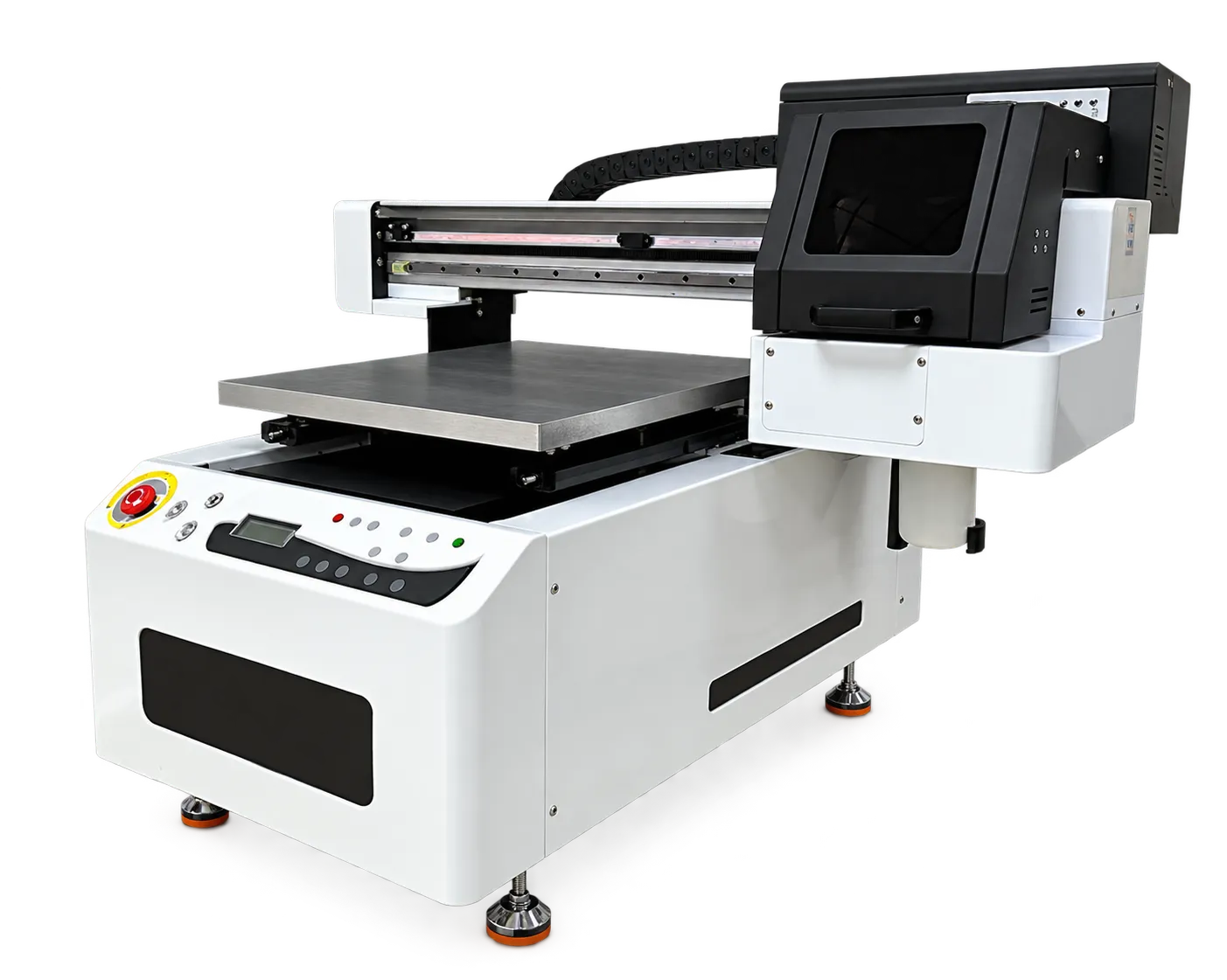
Identify the surface
Record material supplier, finish and batch. Keep handling and preparation consistent between samples and obtain approved cleaning or primer instructions. Do not assume a treatment suitable for one surface is safe or effective for another.
Match tests to use
Define the customer’s expected handling, cleaning and exposure before choosing an evaluation method. Label samples and record time between printing and inspection. A good-looking print immediately after production is not enough to support claims about long-term performance.
Production checklist
Use these checkpoints to prepare a trial or discuss the configuration with your supplier. Record the result for each item before approving a production change.
- Exact substrate identified
- Approved preparation method
- End-use conditions documented
- Acceptance sample retained
Does UV ink adhere equally to every hard surface?
No. Surface chemistry, finishes and preparation affect the result. Approve the actual material and intended use before offering production quantities.
Authoritative references and further reading
The following primary sources provide related background. Instructions from other manufacturers apply to their named systems and are not PrintVision settings, endorsements or certification claims.
- Roland DG: primer and adhesion guidance ↗
Model-specific primer guidance illustrating why surface and material testing matter; not a universal primer specification.
Discuss your application with our factory team.
Share your material, artwork size, order mix and target output so we can review a suitable configuration.
Explore related equipmentContact PrintVision