UV printing
When Does UV Printing Need Primer?
Use primer only when the ink, equipment and substrate suppliers approve it and a controlled trial shows a useful result. Primer is not a universal substitute for substrate testing.
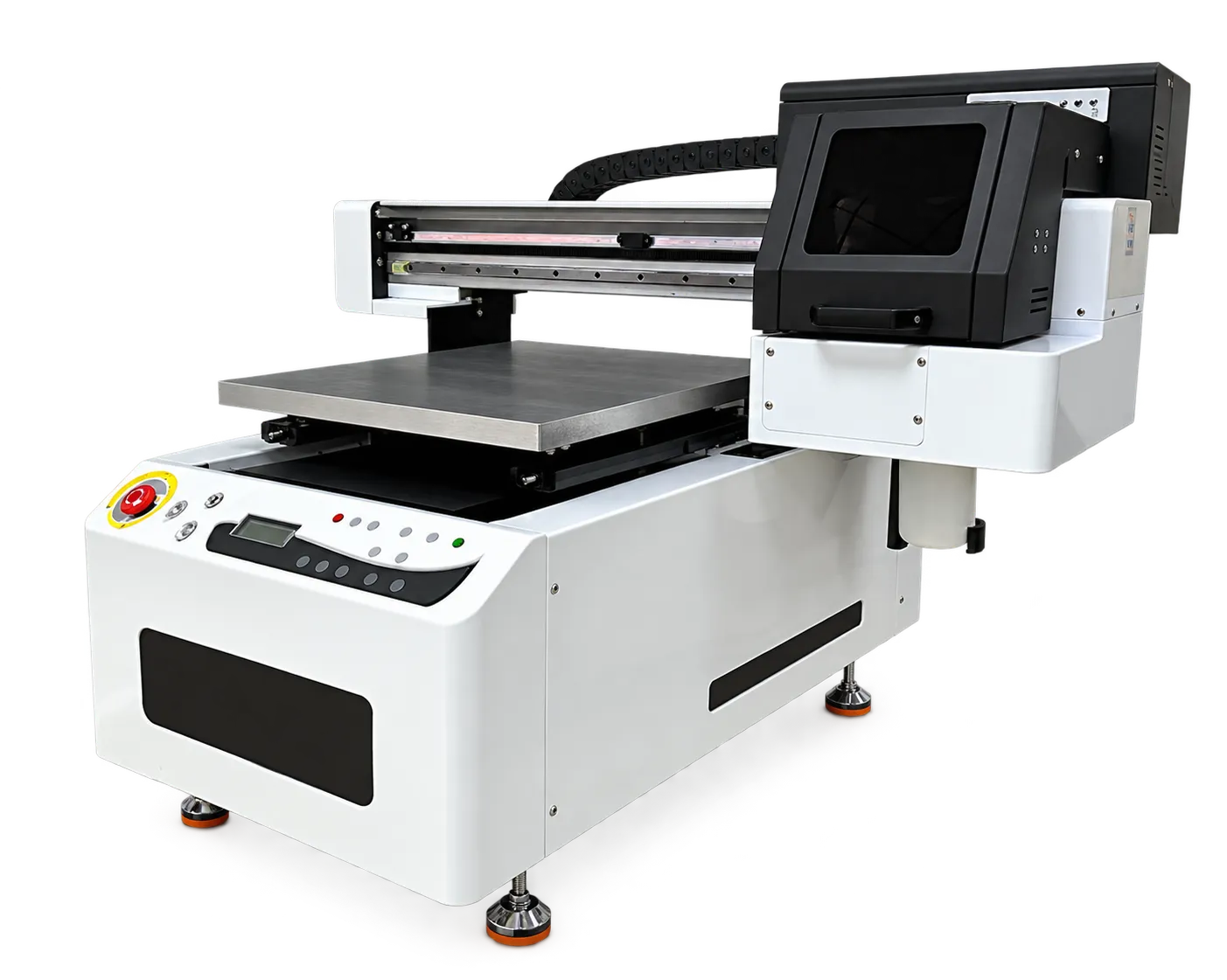
Ask compatibility questions first
Confirm whether the machine supports the intended primer application method and obtain substrate-specific guidance. Record any restrictions for reflective surfaces, coatings or handling. A recommendation for a different manufacturer’s ink system does not establish compatibility with your system.
Compare prepared samples
Use paired samples with documented preparation. Assess visual appearance and the agreed adhesion criteria after the specified interval. Keep the application method consistent and include possible effects on transparency, gloss or texture in the approval decision.
Production checklist
Use these checkpoints to prepare a trial or discuss the configuration with your supplier. Record the result for each item before approving a production change.
- Equipment compatibility confirmed
- Supplier-approved material treatment
- Paired comparison samples
- Appearance and adhesion reviewed
Should every UV job be primed?
No. Some applications may not require it, and unsuitable primer can create new problems. Use a documented material-specific decision.
Authoritative references and further reading
The following primary sources provide related background. Instructions from other manufacturers apply to their named systems and are not PrintVision settings, endorsements or certification claims.
- Roland DG: primer and adhesion guidance ↗
Model-specific primer guidance illustrating why surface and material testing matter; not a universal primer specification.
Discuss your application with our factory team.
Share your material, artwork size, order mix and target output so we can review a suitable configuration.
Explore related equipmentContact PrintVision