UV printing
UV DTF vs Direct UV Flatbed Printing: Which Fits the Object?
Compare direct flatbed printing with UV DTF using the actual object, artwork and application labor. Direct printing and transferred decoration solve different handling problems.
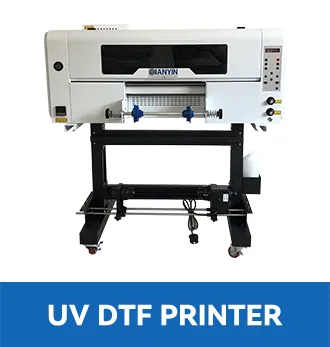
Compare object access
Check whether the target surface can be positioned consistently under a flatbed printhead. If not, a transfer workflow may make decoration more practical. That still requires verification of the object surface, transfer materials and application process.
Include the application stage
Time printing, preparing and applying a transfer alongside the direct-print alternative. Assess alignment, edges and the intended end use. Avoid assuming identical durability between workflows just because the designs look alike on the first day.
Production checklist
Use these checkpoints to prepare a trial or discuss the configuration with your supplier. Record the result for each item before approving a production change.
- Object access and positioning
- Surface compatibility
- Transfer application labor
- End-use sample approval
Is UV DTF the same as textile DTF?
No. They use different materials and application workflows. Do not interchange garment-transfer instructions with UV DTF instructions.
Authoritative references and further reading
The following primary sources provide related background. Instructions from other manufacturers apply to their named systems and are not PrintVision settings, endorsements or certification claims.
- Roland DGA: UV DTF transfer systems ↗
Background on UV DTF transfer materials and equipment; no affiliation or compatibility is implied.
Discuss your application with our factory team.
Share your material, artwork size, order mix and target output so we can review a suitable configuration.
Explore related equipmentContact PrintVision