UV printing
What to Verify Before Making UV Print Durability Claims
Keep scratch, cleaning, outdoor and contact claims separate. Each describes a different use condition and needs evidence for the actual ink, substrate and finish combination.
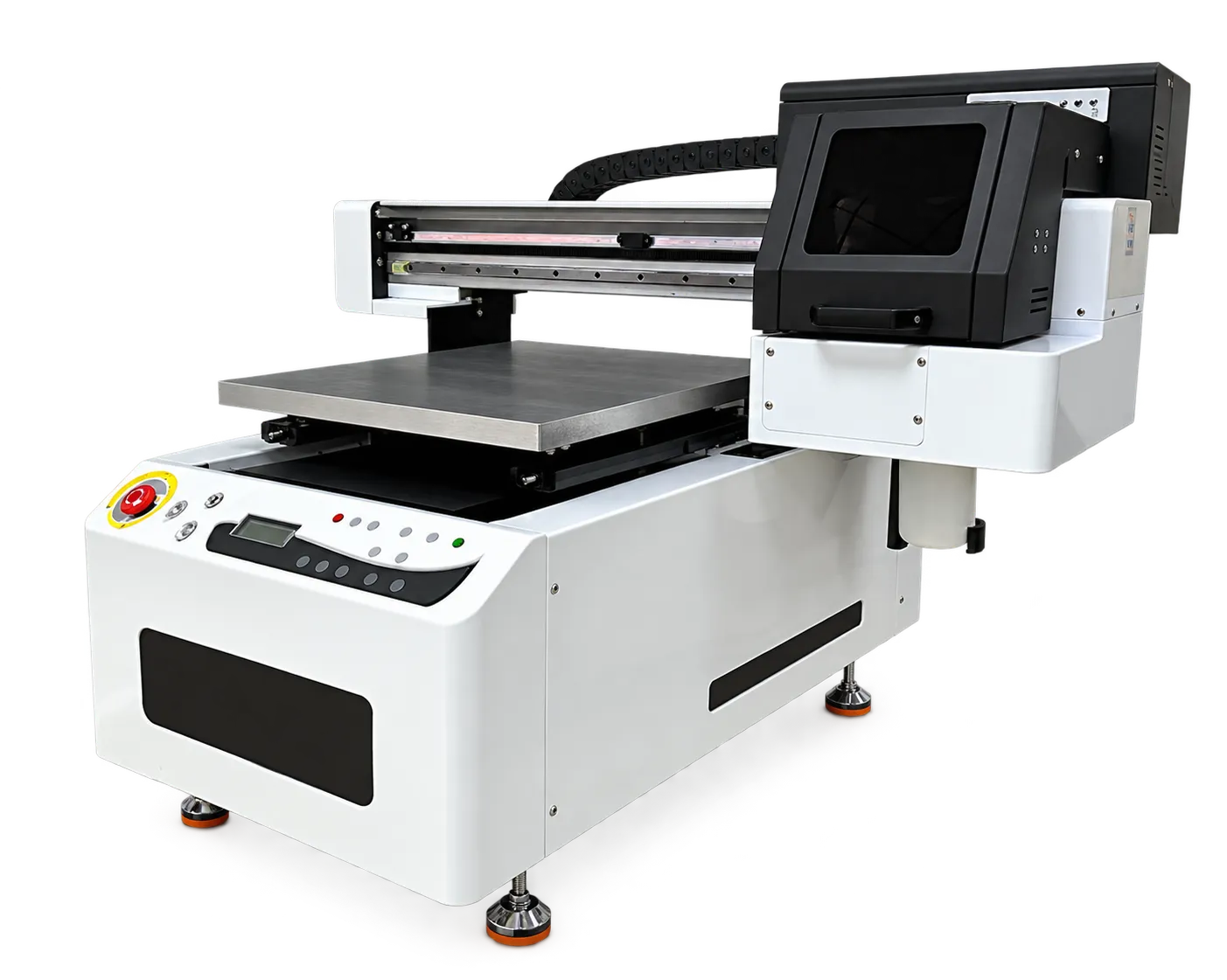
Write the intended use
Identify whether the customer will handle, wipe, display outdoors or expose the product to heat or moisture. Do not interpret a sample that survives one handling check as proof of every other condition. Use supplier documentation to define what is appropriate to test.
Document limits clearly
Retain the printed sample, material identity and agreed evaluation method. If a regulated application is proposed, obtain appropriate product-specific documentation and professional assessment. Generic technology descriptions are not certificates for a finished decorated item.
Production checklist
Use these checkpoints to prepare a trial or discuss the configuration with your supplier. Record the result for each item before approving a production change.
- Specific use claim identified
- Exact material and ink recorded
- Appropriate test evidence
- Customer-facing limits stated
Does a UV-cured print automatically have every durability property?
No. The finished system and intended use need evaluation. Avoid broad claims based only on the fact that the ink is UV cured.
Authoritative references and further reading
The following primary sources provide related background. Instructions from other manufacturers apply to their named systems and are not PrintVision settings, endorsements or certification claims.
- Roland DG: primer and adhesion guidance ↗
Model-specific primer guidance illustrating why surface and material testing matter; not a universal primer specification.
Discuss your application with our factory team.
Share your material, artwork size, order mix and target output so we can review a suitable configuration.
Explore related equipmentContact PrintVision